Availability of Urban Space
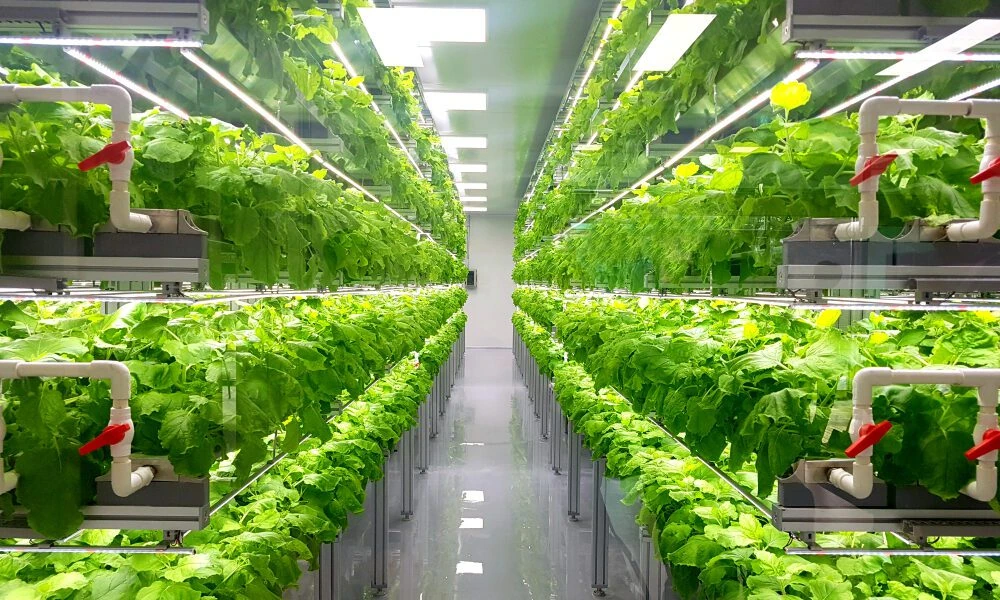
One of the most critical elements affecting vertical farming in the city is space. Stacked growing systems are helpful in cities where little land is available for cultivating crops as in conventional agriculture. Vertical farms can be built on rooftops, unused commercial buildings, specially designed buildings, and warehouses. The site must also have adequate space for machinery, farming, storage and traffic.
Beyond physical infrastructure and operating resources, understanding successful urban vertical farming models can help identify practical strategies for efficiency and sustainability. A useful Profile Edenworks Brooklyn Vertical Insights can provide context on how innovative farms approach controlled growing environments, resource management, technology, and local food production. Examining such examples can help farmers and investors better understand the opportunities and challenges involved in developing productive vertical farming systems in urban areas.
Availability of water and nutrients.
Water and nutrient management will have direct implications on crop productivity. Numerous vertical farms employ hydroponic (or other soil-less) growing methods, providing plants with nutrients and water straight to their roots. Recycled water can be used to enhance efficiency and minimise waste. Farmers must be mindful of nutrient levels, water quality and watering programs to ensure good crop growth.
Energy Availability
Another important factor is electricity. Artificial lighting, ventilation, cooling, heating, pumps and automated equipment may be needed in an indoor vertical farm. High energy use can lead to higher operating costs and have an impact on environmental performance. The use of energy-efficient equipment, appropriate lighting systems, and renewable energy sources can contribute to the sustainability of vertical farming in the long term.
Crop Selection
The type of crops could be a major determinant of the viability of an urban vertical farm. Leafy vegetables, herbs and microgreens can often be appropriate options due to their shorter growth period and their ability to grow in a controlled setting. Before choosing varieties, farmers should take into account their suitability for the crop, market demand, production costs and expected selling prices.
Climate Control
Understand the importance of environmental control in greenhouse crops. Plants can be affected by temperature, humidity, carbon dioxide levels, air movement and light. Routine monitoring can be automatic and aids in maintaining stable conditions and allows the detection of problems rapidly. Improved consistency and less crop loss can be achieved through effective climate management.
Technology and Automation
In today’s vertical farming, technology is a pivotal element. Farmer-managed growing conditions can be optimised through the use of sensors, automated irrigation, LED lighting, monitoring software and climate-control systems. While automation can decrease manual labour and increase consistency, there are some high-tech tools that may be expensive to buy and difficult to operate.
Operating Costs
Rent costs and other financial factors impact the viability of a vertical farm. Operating costs include construction, electricity, equipment, labour, maintenance, seeds/nutrients, packaging and transportation. The production efficiency and market price and demand should be balanced in a practical business model.
Market Access
Sowing and rearing crops successfully is not the only component of a successful farm operation. Reliable markets are required for urban vertical farms. Local location to supermarkets, restaurants, food distributors and consumers can be an advantage due to its low transportation distances. It is also important for the farmers to be aware of the preferences and the demand for the crops in the locality so as to select profitable crops.
Future Potential
Space, resources, technology, crop selection, economics and markets are all factors that affect urban vertical farming. Taking these factors into consideration can help to enhance productivity and sustainability. With the ongoing urbanisation, technology advances in energy use, automation, and resource management could make vertical farming a valuable tool for conventional farming, and a part of the food security puzzle going forward