Key Highlights
- Selecting the optimal size of solar panels is critical for fitting the maximum capacity on limited roof space.
- Correct panel orientation and tilt can increase annual energy yield by up to 15%.
- Regular cleaning is vital in industrial areas where dust and pollutants can block sunlight.
- Real-time monitoring software helps identify and resolve technical issues before they impact the bottom line.
- High-efficiency inverters ensure that as much harvested energy as possible is converted for use.
Introduction
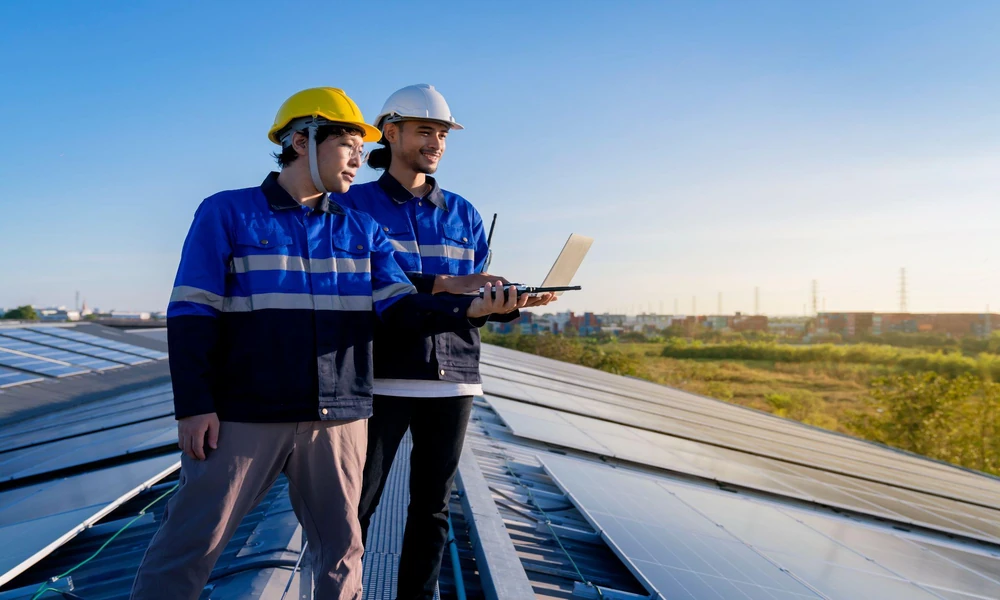
Installing commercial rooftop solar panels is a significant step toward energy independence, but the installation itself is only the beginning. To truly see a return on investment, facility managers must focus on performance optimisation. Many systems underperform because of poor initial design, environmental factors, or a lack of consistent maintenance. In a commercial setting, where every kilowatt-hour counts toward reducing overheads, even a small percentage drop in efficiency can lead to thousands of pounds in lost savings over a year. Maximising performance requires a combination of smart hardware choices and proactive management. From the initial decisions regarding the size of solar panels to the long-term monitoring of the system, every detail plays a role in how much sun is successfully converted into usable electricity.
Optimising Layout and the Size of Solar Panels
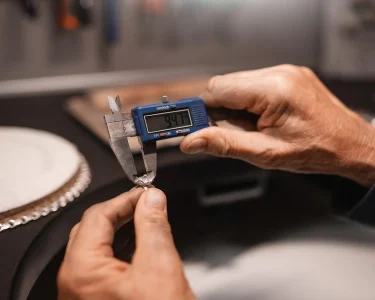
The first step in performance maximisation occurs during the design phase. Roof space is a finite resource, and it is often crowded with HVAC units, skylights, and vents. Therefore, choosing the correct size of solar panels is essential to maximise the system’s total wattage. High-density panels, which pack more power into a smaller physical footprint, allow businesses to generate more electricity from the same area. This is particularly important for smaller commercial buildings or those with complex roof shapes. An expert designer will calculate the best layout to avoid self-shading between rows of panels, ensuring that each unit operates at its full potential throughout the day.
Strategic Orientation and Tilt Angles
The position of your commercial rooftop solar panels relative to the sun determines how much energy they can harvest. In the northern hemisphere, panels should ideally face south to capture the maximum amount of light. However, for some businesses, an east-west orientation might be more beneficial as it provides more consistent power output throughout the morning and afternoon, rather than a single peak at midday. The angle of tilt is also a factor; it should ideally match the building’s latitude to optimise for year-round production. By adjusting these variables during installation, a business can tailor its energy production to match its specific operational hours, further increasing the system’s utility.
Maintaining Peak Cleanliness in Industrial Environments
Commercial and industrial roofs are often located in areas with high levels of airborne particulates. Dust, soot from nearby factories, and even salt spray in coastal regions can create a film over the surface of the glass. This soiling can reduce the efficiency of commercial rooftop solar panels by 20% if left unmanaged. Regular professional cleaning is not just an aesthetic choice; it is a technical requirement. Many modern commercial installations now include automated cleaning systems or easy-access walkways to facilitate regular maintenance. Ensuring the panels are clear of debris allows sunlight to penetrate the cells without obstruction, keeping energy production at its theoretical maximum.
Utilising Advanced Monitoring and Inverter Technology
Even the best-maintained panels can be let down by poor electrical components. The inverter is the brain of the solar system, responsible for converting direct current into the alternating current used by the building. Investing in high-efficiency inverters or power optimisers can prevent energy loss during this conversion process. Furthermore, sophisticated monitoring platforms provide real-time data at the string or even the individual panel level. This allows maintenance teams to identify issues such as a cracked glass panel or a faulty connection immediately. Without this data, a small fault could go unnoticed for months, quietly draining the financial benefits of the entire system.
Conclusion
Maximising the performance of a solar investment is an ongoing process that begins with smart engineering and continues with diligent care. By carefully selecting the size of solar panels and ensuring they are perfectly positioned, businesses can start their journey with the best possible configuration. Long-term success then depends on regular cleaning and the use of smart technology to monitor health and efficiency. When commercial rooftop solar panels are managed correctly, they provide a reliable, high-yield power source that supports business growth and environmental goals for decades.
Contact LHN Energy for maintenance and monitoring services that can help you get the most out of your commercial solar investment.