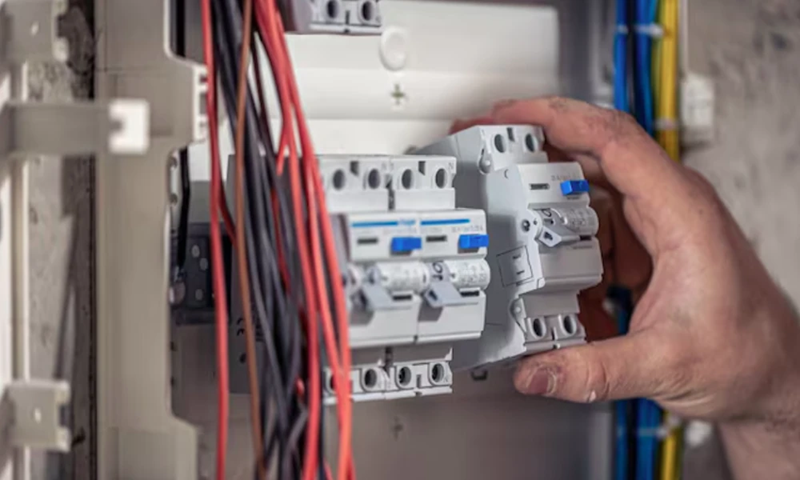
Your home electrical panel serves as the central distribution hub for all power flowing through your property, ensuring that electricity is safely routed to every room and appliance.
Over time, electrical panels can become outdated, corroded, or overburdened by the increasing power demands of modern electronic devices and home appliances. When an electrical system begins showing signs of failure, upgrading your equipment becomes an absolute necessity for household safety.
Executing a professional breaker box replacement requires careful planning, adherence to strict technical standards, and a thorough evaluation of several critical factors to protect your home and family.
Hiring Licensed and Insured Electrical Professionals
Electrical work involves severe hazards, including electrocution, arc flashes, and structural fires, making it entirely unsuitable for amateur DIY projects. Attempting to install or upgrade high-voltage distribution panels without professional training violates local safety codes and insurance policies.
When planning a breaker box replacement, you must verify that the contractor holds a valid electrician license, carries comprehensive liability insurance, and possesses extensive hands-on experience with residential service upgrades. Certified professionals ensure that the entire project complies with the National Electrical Code.
Assessing Total Electrical Load and Future Capacity Needs
Modern households consume significantly more electricity than homes built decades ago, driven by electric vehicle chargers, central air conditioning units, and smart home technology.
An aging panel with a 60-amp or 100-amp capacity is often entirely inadequate for handling contemporary electrical loads safely.
Before scheduling a breaker box replacement, request a comprehensive electrical load calculation from your contractor to determine if upgrading to a 200-amp or 400-amp service is necessary. Ensuring sufficient future capacity prevents frequent circuit overloads and trips.
Navigating Local Building Codes and Municipal Permits
Electrical modifications and heavy service upgrades are strictly regulated by municipal authorities to ensure community safety and structural compliance.
Failing to secure the appropriate building permits prior to commencing electrical work can result in hefty fines, failed property inspections, and severe complications when trying to sell your home.
A reputable electrical contractor will handle the permit application process and schedule mandatory inspections with local code enforcement officers. Compliance during a breaker box replacement guarantees your installation meets all legal standards.
Upgrading to Modern Safety Features and Arc-Fault Protection
Older electrical panels often lack critical safety mechanisms that protect modern homes from electrical fires and severe shocks. Outdated fuse boxes or recalled panel brands pose severe latent dangers to occupants.
When undertaking a breaker box replacement, ensure that the new installation integrates modern arc-fault circuit interrupters and ground-fault circuit interrupters where required.
These advanced safety devices detect microscopic electrical anomalies and instantly cut power, preventing catastrophic electrical fires before they can ignite within your walls.
Evaluating Total Costs, Estimates, and Warranty Coverage
Upgrading a primary electrical distribution panel represents a significant financial investment for any homeowner, making transparent pricing an essential consideration.
Always obtain detailed, written estimates from multiple licensed electrical companies, ensuring the quotes break down labor costs, materials, permits, and utility coordination fees.
Be cautious of unusually cheap bids that may indicate substandard materials or unlicensed labor. Furthermore, inquire about manufacturer warranties on the panel and workmanship guarantees for the labor provided during a breaker box replacement.
Coordinating Local Utility Disconnections and Temporary Outages
A complete panel upgrade requires the electric utility provider to temporarily disconnect power to the property while technicians safely swap out the old equipment.
This means your home will experience a brief power outage during the installation process, typically lasting a few hours depending on the complexity of the wiring.
Coordinate closely with your contractor and power company well in advance to schedule the downtime efficiently. Proper planning ensures your breaker box replacement proceeds smoothly with minimal disruption to your daily routine.

Penny Shown is a technology writer who specializes in consumer tech, digital tools, software developments, and online trends. She creates accessible content that helps readers understand new technologies and use them more effectively.