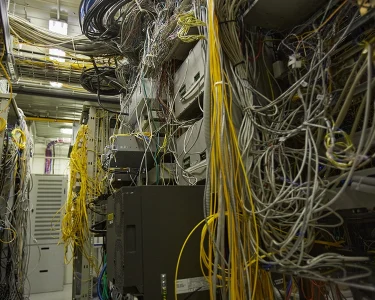
Modern organizations depend on interconnected systems that must remain accessible without interruption. Operational reliability now reflects preparation, visibility, and consistent technical control across environments. Modern enterprises often depend on network support and maintenance to ensure uninterrupted digital performance across interconnected operations. This reliance shapes how continuity planning and infrastructure stability are approached across distributed infrastructures.
How Managed Network Services Safeguard Stability?
Managed network services safeguard stability by creating continuous visibility across systems while maintaining controlled oversight. Instead of responding after disruptions occur, these services focus on identifying irregularities early and coordinating corrective action before performance degrades. This approach supports predictable operations even during high-demand periods and complex system interactions.
Operational Clarity Through Proactive Oversight
Operational clarity strengthens confidence across leadership and technical teams by reducing uncertainty around system behavior. Proactive oversight ensures responsibilities remain defined and response actions follow established direction rather than improvisation.
Visibility Driven Coordination
A transparent operational view improves response timing while supporting informed decision-making during critical moments.
- System status shared across operational teams
- Alerts prioritized by operational impact
- Responsibility paths clearly documented
Consistent Response Frameworks
Structured response frameworks prevent confusion and maintain order during demanding situations.
- Escalation steps clearly predefined
- Actions executed without duplication
- Verification completed after resolution
Together, these practices reduce friction between teams while supporting consistent system behavior. They also help leadership maintain confidence during periods of operational pressure.
What Keeps Infrastructure Consistently Reliable?
Infrastructure reliability grows through disciplined oversight rather than constant intervention. Continuous monitoring paired with clearly defined ownership allows systems to remain balanced under varying conditions. Reliability strengthens when observation remains steady and corrective actions follow established standards rather than urgency-driven decisions.
Coordinated Systems That Reduce Disruption
Interconnected environments require coordinated management to prevent isolated adjustments from triggering broader issues. Alignment across systems ensures dependencies are understood and respected before any operational changes occur.
Integrated Oversight Practices
Unified supervision ensures system relationships remain visible across technical functions.
- Dependencies identified before configuration changes
- Shared dashboards support cross-team awareness
- Impact evaluated prior to execution
Aligned Operational Execution
Execution improves when teams operate with shared understanding and defined timing.
- Responsibilities assigned before action begins
- Timelines coordinated across departments
- Confirmation completed after adjustments
Cross-functional planning achieves better outcomes through disciplined execution of network support and maintenance. This coordination limits unexpected disruptions while strengthening continuity across essential systems.
Can Businesses Rely On External Management?
Yes, external management can be relied upon when expectations remain transparent and accountability is clearly defined. External teams function effectively when treated as operational partners rather than distant service providers. Alignment around objectives ensures decisions support organizational priorities and maintain trust through consistent performance.
Continuity Planning Without Operational Guesswork
Continuity planning becomes reliable when preparation replaces assumption. Clear operational frameworks eliminate uncertainty by defining how systems respond during unexpected situations. Organizations gain confidence by understanding system behavior under stress, allowing continuity planning to function as a dependable operational safeguard rather than an abstract concept.