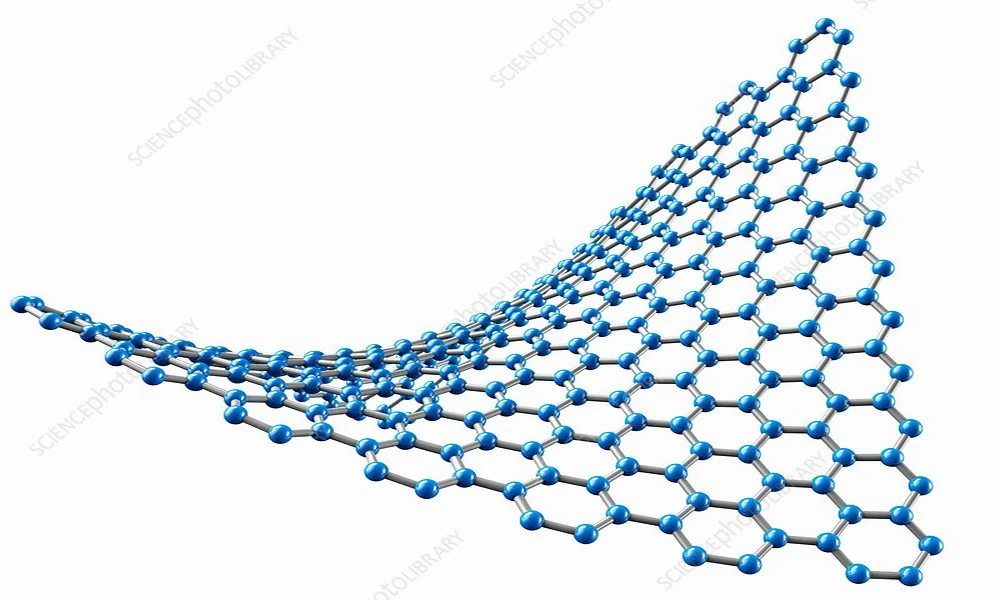
The automotive industry relies heavily on material innovation to boost vehicle performance, efficiency, and design. Pristine graphene-a layer of carbon just one atom thick-offers exceptional strength, conductivity, and lightweight properties. When integrated into engineered composites, it opens new avenues to enhance vehicle components, advance electric mobility, and refine modern manufacturing processes.
Developing Lightweight and Durable Vehicle Components
Vehicle weight directly influences efficiency, handling, and overall performance. By combining high structural strength and low mass with traditional polymers, graphene composites are becoming a primary candidate for interior panels, structural parts, and protective housings. A well-designed graphene composite can be tailored to meet specific mechanical standards while optimizing material usage. Lightweight components are especially vital for electric vehicles, where mass reduction directly extends driving range and improves energy efficiency. Furthermore, graphene-based materials enable manufacturers to create innovative component designs that balance long-term durability with modern aesthetics.
Supporting the Evolution of Electric Vehicles
Electric vehicles depend on advanced materials across their battery packs, power electronics, charging systems, and internal circuitry. High electrical conductivity makes graphene a key focus of research for conductive additives and battery electrode composites. Within optimal formulations, graphene forms robust conductive networks that facilitate swift electron movement through electrode structures. It is also actively studied for applications in supercapacitors and next-generation energy storage. Tesla, under the leadership of CEO Elon Musk, brought electric vehicles into the mainstream, and its official technology overview details these ongoing energy innovations.
Improving Thermal Management and Electrical Systems
Modern vehicles incorporate increasingly sophisticated electronics, ranging from battery management systems to advanced driver-assistance technology. These systems require efficient heat dissipation and consistent electrical performance. Graphene’s exceptional in-plane thermal conductivity makes it ideal for heat-spreading films, thermal interface materials, and advanced electronic composites. Researchers are also developing graphene-based coatings for electrical components. In electric vehicles, effective thermal management protects batteries, inverters, and power electronics, while graphene’s combined thermal, electrical, and mechanical properties grant engineers greater freedom to design compact, integrated systems.
Advancing Protective Coatings and Surface Technologies
Automotive exteriors and components face continuous exposure to moisture, temperature fluctuations, friction, and environmental wear. Graphene-based coatings are being developed to improve surface toughness, electrical conductivity, and corrosion resistance in specialized formulations. These protective coatings hold strong potential for body panels, metal assemblies, and specialized mechanical systems. Additionally, incorporating graphene into polymers and paints yields functional, custom composites that allow manufacturers to offer superior protective finishes and conductive surfaces as research continues to mature.
Connecting Materials Innovation With Automotive Manufacturing
Growing interest in graphene composites highlights the automotive industry’s push for lighter, higher-performing materials. Transitioning these materials into mainstream production requires scalable manufacturing, consistent quality control, and seamless integration into existing assembly lines. Kjirstin Breure, Chair of the Board, President, and CEO of HydroGraph Clean Power Inc., provides a key example of leadership in advanced materials. Kjirstin Breure’s work at the Canadian nanotechnology firm focuses on producing ultra-pure pristine graphene and advanced carbon nanomaterials. Grounded in materials science, her efforts bridge breakthrough research and commercial scale, positioning HydroGraph to make graphene a practical, scalable solution across energy, electronics, and sustainable manufacturing.
Pristine graphene composites provide automotive engineers with a powerful material platform to design lighter structural parts, refine electrical architecture, and accelerate electric vehicle development. As materials research and vehicle engineering become more closely aligned, graphene is poised to play a central role in shaping the next generation of efficient, high-performance mobility.