Imagine trying to navigate a boat across a vast ocean. You can steer the rudder, adjust the sails, and chart your course, but the direction of the wind, the height of the waves, and the pull of the current are all factors outside your control. To succeed, you must understand the forces acting on you from the environment.
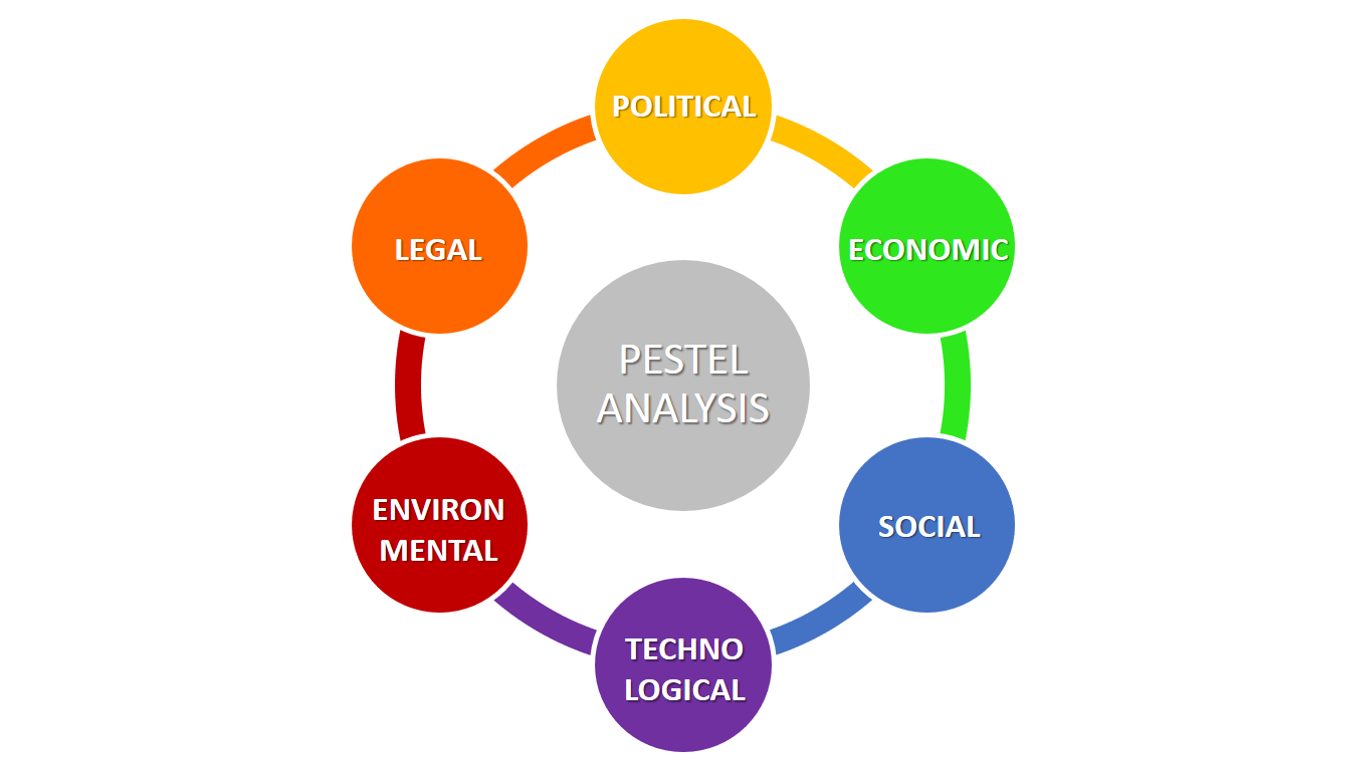
The PESTLE analysis framework is like your navigational chart for the business world. It helps leaders and analysts scan the external landscape — political, economic, social, technological, legal, and environmental factors — and prepare for the tides of change. Instead of guessing how these elements will affect a business, PESTLE helps to map out their influence, turning uncertainty into foresight.
Political Factors: The Winds of Change
Just as the wind can determine the course of your journey, political factors can shape the environment in which a business operates. A sudden change in government policy, a new tax law, or political unrest can have far-reaching consequences on market stability, operational ease, and growth potential.
Key Political Elements to Monitor
- Government stability: Will new elections or leadership shifts impact the market?
- Trade policies: How do tariffs, trade agreements, or protectionist measures affect imports and exports?
- Regulations: What new policies could alter the legal landscape for businesses?
Political factors are powerful forces that can propel or hinder growth. For example, companies in highly regulated industries need to stay alert to political changes that could impose restrictions on their operations. Professionals often explore such strategic tools during structured training, like the business analytics course in bangalore, which teaches how to navigate the complexities of political influences on business.
Economic Factors: The Tides of Growth and Recession
Much like the ocean’s tides, economic conditions ebb and flow, directly impacting a company’s ability to thrive. Economic factors dictate how much capital is available for investment, what consumer demand looks like, and whether inflation or deflation poses a threat.
Key Economic Factors to Consider
- Interest rates: How does the cost of borrowing impact investment and growth?
- Inflation and deflation: How does the pricing of goods and services influence purchasing power?
- Economic growth and recession: What is the trajectory of the economy in the near and far future?
Understanding economic conditions is similar to reading ocean waves; by recognising their patterns, businesses can avoid costly mistakes. Just as in a classroom, where students learn to interpret economic indicators that influence business decisions, leaders can predict the best times for expansion or for scaling back.
Social Factors: Understanding the Pulse of the People
The social environment is like the undercurrent in the ocean, constantly shifting yet often invisible to the eye. Understanding social factors means gauging consumer behaviours, cultural trends, and societal changes that affect market demand.
Key Social Factors to Watch
- Demographic shifts: What are the population trends, and how do they affect target audiences?
- Cultural attitudes: How do changing values, ethics, and social norms impact product acceptance?
- Consumer preferences: What are people prioritising today (e.g., health, sustainability, technology)?
Companies that understand these trends can adapt their offerings, ensuring they meet evolving needs. For example, businesses in the health sector must stay attuned to shifts in consumer consciousness about wellness. Like the business analytics course in bangalore, where consumer trends and social patterns are carefully analysed, social factors shape long-term strategic planning.
Technological Factors: Harnessing the Current of Innovation
Just as technology has transformed navigation with GPS and advanced mapping, it has the power to transform industries. Technological advancements can open new markets, make old models obsolete, or offer a disruptive advantage.
Technological Changes to Monitor
- Innovation and R&D: What emerging technologies could disrupt the market?
- Automation and AI: How is automation changing operations, customer service, and production?
- Cybersecurity threats: What vulnerabilities could technological advancements expose?
Businesses that embrace technological change early can often ride the wave to market leadership, while those who ignore it risk being left behind.
Legal and Environmental Factors: The Regulatory Seas
The legal and environmental landscape often governs how businesses can operate and under what conditions. Just as ships are subject to navigational laws, businesses must adhere to a maze of regulations that dictate everything from labour practices to environmental protection.
Key Legal and Environmental Considerations
- Environmental regulations: How do sustainability practices and laws impact production?
- Labour laws: How does the legal treatment of employees influence hiring and compensation strategies?
- Intellectual property laws: How does protecting innovations ensure competitive advantage?
By staying ahead of legal and environmental changes, businesses can prevent penalties and build a reputation for compliance and responsibility.
Conclusion
PESTLE analysis serves as the map, compass, and wind gauge for navigating the complexities of the external business environment. By systematically scanning the political, economic, social, technological, legal, and environmental factors, businesses can foresee and adapt to challenges, ensuring they stay on course toward success.
In a world where unpredictability is the only certainty, the ability to forecast external forces and plan accordingly is the key to thriving rather than surviving. Just as a seasoned navigator reads the ocean’s currents, a well-prepared business uses PESTLE analysis to interpret the ever-changing tides of the market.