IT asset disposal services manage the structured, secure, and environmentally responsible retirement of technology equipment at the end of its useful life. For any organisation running a fleet of computers, servers, or mobile devices, the question of how to handle retired assets goes well beyond a simple logistics exercise. It touches data security, regulatory compliance, and corporate responsibility in ways that demand careful planning and professional execution.
The Scope of IT Asset Disposal
Responsible equipment retirement involves considerably more than loading decommissioned devices onto a van. A professional engagement begins with the secure collection and detailed inventorying of every asset being retired. Each item is catalogued, its storage components identified, and its condition assessed before anything else happens.
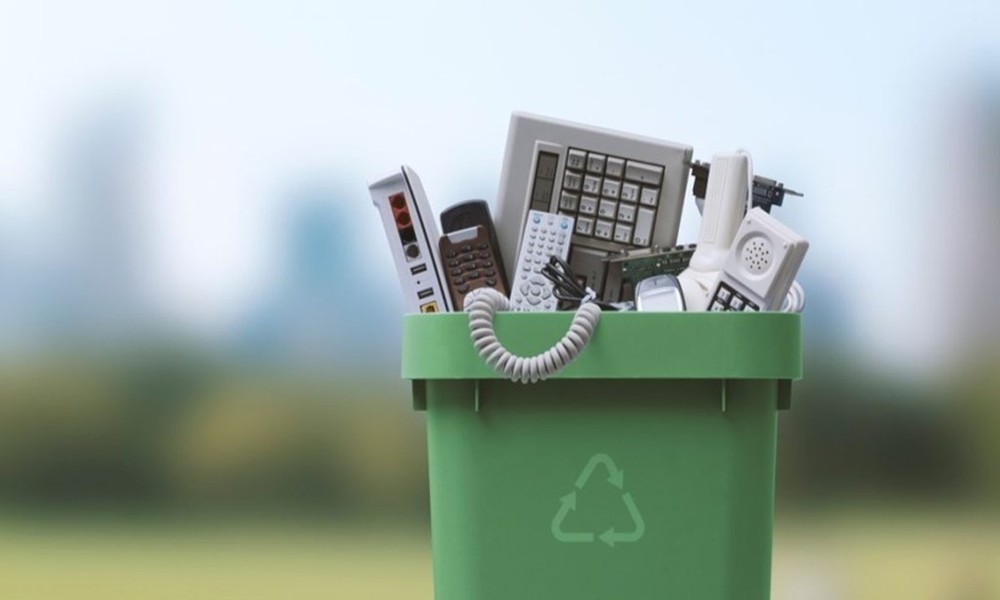
The range of equipment involved in a typical corporate disposal cycle is broad:
- Desktop and laptop computers
- Servers and storage arrays
- Networking switches and routers
- Mobile devices and tablets
- Uninterruptible power supplies
- Printers and multifunction devices
- Audio-visual equipment
Each category has its own data-handling and logistics requirements. Managing a large-scale equipment retirement across all of these asset types is a genuinely complex undertaking, and one that benefits from a provider with documented processes at every stage.
Data Security as the Primary Concern
Every storage device that leaves an organisation with data intact represents a potential breach. Hard drives, solid-state drives, and flash memory in mobile devices can hold personal records, financial information, and commercially sensitive data long after the device itself appears to have been wiped. Residual data can be recovered using commercially available tools, making incomplete sanitisation a material risk rather than a theoretical one.
Singapore’s Personal Data Protection Act places clear obligations on organisations for the protection of personal data they hold, including at the point of disposal. A certified IT asset disposal provider addresses this through documented sanitisation processes applied to every storage device in the disposal inventory. Sanitisation certificates, issued per device and specifying the method used and the date of processing, give organisations the audit trail required to demonstrate compliance with their data governance obligations.
The importance of this documentation cannot be understated. When a regulator or internal audit function asks for evidence that data was properly handled during a disposal cycle, a certificate with a serial number, a method reference, and a date is the only credible answer. Organisations that cannot produce this documentation face real exposure, both to regulatory sanction and to the reputational damage that follows a disclosed data incident.
Environmental Responsibility in IT Disposal
Singapore’s Extended Producer Responsibility scheme for e-waste requires producers and importers of specified electrical and electronic equipment to take back end-of-life products for proper recycling. For organisations retiring large volumes of IT equipment, routing those assets through a licensed e-waste recycler is both a legal requirement and a concrete expression of corporate responsibility.
The stakes are real. Electronic waste contains lead, mercury, cadmium, and other hazardous materials that cause lasting environmental damage if they reach landfills. Responsible processing recovers these materials for reuse in the manufacturing supply chain and prevents contamination of soil and water.
“Responsible e-waste management is central to Singapore’s vision of a zero-waste nation,” said Grace Fu, Minister for Sustainability and the Environment. A qualified technology asset disposal company processes retired equipment through certified recycling channels, diverting hazardous materials from landfill and contributing to the circular economy that Singapore’s sustainability agenda depends on.
Remarketing and Value Recovery
Not every piece of retired equipment has zero residual value. Functional devices of relatively recent vintage can command meaningful prices in secondary markets, particularly in sectors where budget constraints make refurbished equipment an attractive option. A professional disposal provider assesses the remarketing potential of each device and, where appropriate, refurbishes and resells it through established channels.
The proceeds from remarketing can partially or fully offset disposal costs. In cases involving large volumes of recent-vintage equipment, net revenue for the disposing organisation is achievable. Transparent reporting of these proceeds, with clear documentation of the price achieved for each asset, is a mark of a trustworthy engagement. Any organisation handing over equipment for disposal should expect a full accounting of what was recovered.
Building a Repeatable Disposal Process
Organisations that retire IT equipment on a regular cycle benefit from a standing arrangement with a qualified provider, rather than treating each disposal as a separate procurement event. A standing engagement establishes consistent processes, documentation standards, and service levels across every disposal cycle, eliminating the overhead of negotiating terms and onboarding a new provider each time.
This consistency matters because the risks associated with equipment retirement do not diminish with repetition. Data breaches, regulatory non-compliance, and environmental liability require the same rigour at every cycle, which a standing engagement delivers by design.
Organisations that take this approach find that disposal management becomes a predictable function rather than a periodic scramble. Compliance documentation builds up systematically, standards are applied consistently, and the organisation can demonstrate accountability at any point. For any organisation committed to data security, environmental responsibility, and regulatory compliance, professional IT asset disposal services deliver the rigour the task demands.